1. What is a tipping bucket rain gauge?
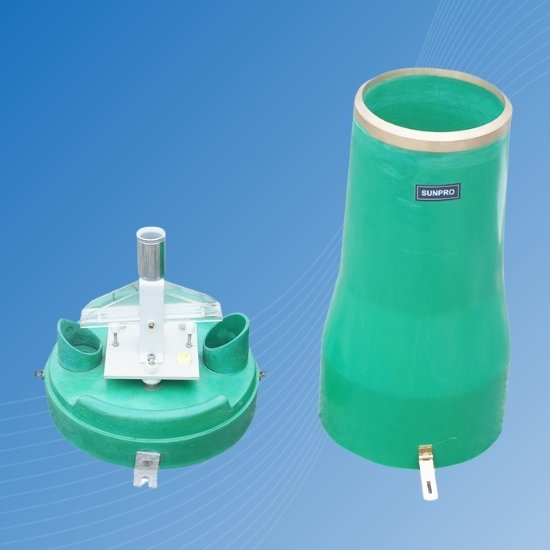
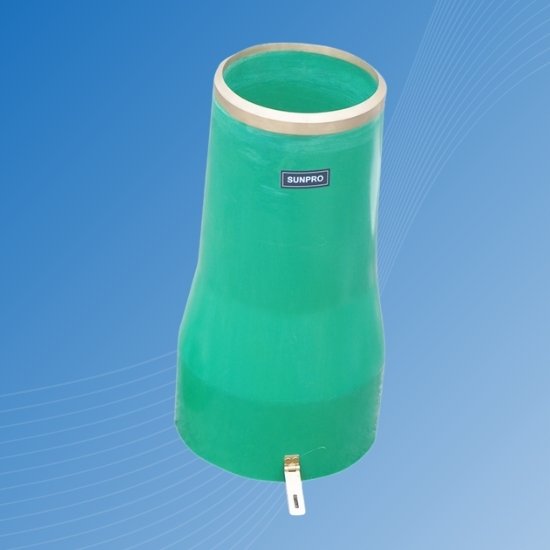
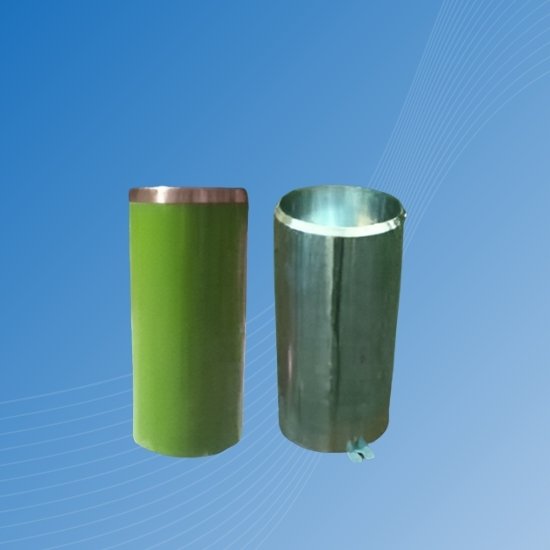
The Tipping Bucket Rain Gauges Manufacturer in Pune is an instrument that determines the amount of precipitation. It consists of a funnel, with the water inside being directed to a small seesaw-like “bucket.” When the bucket is filled with water on one side, the other side gets that water poured, and the signal for logging the rain gets activated. Thus, each tipping corresponds to a specific amount of water.
2. How does it work?
The rain is channeled through the funnel and little by little fills one side of the tipping bucket.
Once the bucket has reached its capacity (which is, for instance, equivalent to 0.2 mm of rainfall), it tilts.
This movement causes a switch or a sensor to operate, which then sends a brief electrical signal to a data logger.
The entire cycle will be repeated for the period of time that the rainfall is continuous and measured.
3. What is the measurement resolution?
Resolution refers to the minimum amount of rain that is required to make the Tipping Bucket Rain Gauges Manufacturer in India over.
The common resolutions are 0.1 mm, 0.2 mm, or 0.5 mm for each tip.
A higher resolution gives the advantage of better and more precise records of the rainfall.
4. What are the pros of tipping bucket rain gauges?
Continuous registering of rain intensity and gathering.
Automation is easy, and the system can be connected to data loggers without any problem.
A long period of monitoring has the advantages of being durable and reliable.
The device is suitable for both rural and urban areas.
5. What are the constraints?
Underestimation in case of heavy rain: Very fast precipitation could lead to the bucket being filled to the brim and subsequently spilled before tipping.
It’s a loss due to evaporation: In extremely hot weather, a few drops of water may evaporate before tipping.
Wind impact: Heavy winds could result in raindrops being blown away thus causing a decrease in the measurement accuracy.
6.Calibration frequency?
Calibration is recommended at an interval of at least one year.
The procedure involves measuring the volume of the bucket that has tipped and ensuring that the sensor pulses are in sync with the rainfall positively.
7.Is snowfall taken into account?
No, it is not measured directly. Snow has to be melted first, either by using an electric heating element or by a manual melting process, before it is weighed.
Read more: